Dental Implants and Diabetes: What Patients Need to Know Before Surgery
Posted on 7/23/2026 by Mountain State Oral and Facial Surgery |
 Diabetes does not disqualify you from getting dental implants. That’s worth saying up front, because plenty of patients arrive at a consultation already convinced the answer is no. The research points the other way. When diabetes is well managed, implant outcomes land close to what they are for patients without it. When blood sugar runs high and uncontrolled, the risks climb in ways that are much better understood before surgery than discovered after. Diabetes does not disqualify you from getting dental implants. That’s worth saying up front, because plenty of patients arrive at a consultation already convinced the answer is no. The research points the other way. When diabetes is well managed, implant outcomes land close to what they are for patients without it. When blood sugar runs high and uncontrolled, the risks climb in ways that are much better understood before surgery than discovered after.
So the real question isn’t whether you can have implants. It is what your surgical team needs to see first, and what you can influence between now and the procedure. Our surgeons field this question often, and implant planning around a chronic condition is a routine part of the consultation rather than a special case. Some of that is geography. West Virginia has the highest adult diabetes rate in the country, Kentucky sits well above the national average, and Mountain State Oral and Facial Surgery has oral and maxillofacial surgery offices throughout both states and into Virginia.
Why Blood Sugar Control Matters for an Implant
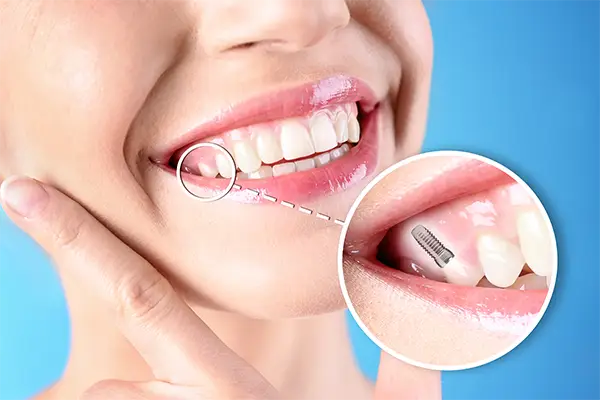
A dental implant works because bone grows directly against the titanium post and locks it in place. That process, called osseointegration, is a healing event, and healing depends on small blood vessels delivering what bone needs to the surgical site.
Persistently elevated glucose interferes with that in two ways at once. It damages small vessels over time, which slows the microcirculation bone remodeling depends on. It also blunts the immune response, so bacteria that would normally be cleared get more room to establish themselves. Slower integration and higher infection risk are the practical results.
Most of that added risk sits in the first several months, while bone is still integrating. There’s a longer-term piece too. Diabetes also raises the risk of peri-implantitis, an inflammation of the gum and bone around an implant that can surface long after the surgery is behind you. That is the argument for tighter maintenance intervals than the standard twice-a-year default, and for keeping your dentist informed about how your control is running.
The Numbers Your Surgical Team Will Review
Your A1c is the figure that gets the most attention, because it reflects roughly three months of glucose control rather than a single morning reading. Your recent daily numbers matter too, particularly how often you swing high and how long you stay there.
There’s no single universal cutoff every surgeon applies, and treating one lab value as a pass or fail gate would be misleading. What actually gets weighed is the whole picture: how long you have had diabetes, whether it is type 1 or type 2, whether there are complications like neuropathy or kidney involvement, how consistent your control has been rather than where it happened to land last week, and whether you smoke. Smoking and diabetes together raise implant risk more than either does alone.
If your control is not where you want it yet, that usually delays surgery rather than canceling it. A few months of tighter management can change the conversation entirely. Coordination with the physician managing your diabetes is a normal part of that process, and it is worth reading through what goes into candidacy for dental implants before you come in.
Gum Disease Sits on Both Sides of This Problem
Diabetes and periodontal disease feed each other. High blood sugar makes gum infection more likely and more severe, and the chronic inflammation from periodontal disease makes glucose harder to control. It’s a loop, and it runs in both directions.
That matters here for a specific reason. If you are replacing a tooth you lost to gum disease, the same disease process is still present in the mouth where a new implant is going. An implant isn’t immune to it. Getting periodontal disease stabilized with your general dentist or periodontist is normally part of the runway toward implant surgery, not an optional extra, and skipping that step tends to shorten how long the implant lasts.
Planning the Day of Surgery
Fasting instructions are where diabetes and oral surgery collide most often. Sedation options come with requirements about food and drink beforehand, and those requirements interact directly with insulin and oral diabetes medications. Nitrous oxide asks for a couple of hours without food or drink. IV sedation asks for considerably longer.
A few things make that morning go more smoothly:
| • |
Ask for written instructions specific to your medications – Generic fasting guidance is written for patients who aren’t managing glucose. Yours should account for what you take and when you take it.
|
| • |
Request an early appointment – A morning slot shortens the fasting window and keeps your routine closer to normal.
|
| • |
Bring your meter and a fast-acting carbohydrate – Glucose tablets or juice in your bag, even if you expect not to need them. Treating a low always comes first, but tell the surgical team the moment you use anything, because eating or drinking changes the fasting picture for sedation.
|
| • |
Never adjust insulin on your own – Dose changes around a fasting period get decided by the physician who prescribed it, not estimated the night before. |
Tell the surgical team you have diabetes even if it is already on your forms. It is worth repeating out loud on the day, not just checking a box weeks earlier.
The Healing Window That Matters Most
The first two weeks after placement are when good glucose control pays off most visibly. The standard post-operative implant instructions apply to you the same as everyone else, with a couple of additions. Watch for swelling that increases after day three rather than easing, drainage, fever, or a persistent bad taste. Those signs deserve a phone call in any patient and a faster one when diabetes is in the picture.
There is a quiet trap in post-operative eating. Standard soft food advice runs toward pudding, gelatin, juice, and ice cream, which is close to the worst possible menu for anyone counting carbohydrates during a week when blood sugar control genuinely matters. Build the list before surgery instead of improvising at hour six. Day one calls for cool liquids and soft foods, so plan on unsweetened Greek yogurt, cottage cheese, and protein shakes. Once warm food is back on the table, scrambled eggs, refried beans, and blended soups clear the soft-food bar without loading you with sugar.
Smoking deserves one more mention here. It restricts blood flow to healing tissue, and layered on top of diabetes the two compound each other in a way neither does alone. If there is one thing to change before surgery besides your numbers, this is it.
Where to Start
The honest first step is an evaluation. Imaging shows how much bone is available, an examination shows the condition of surrounding teeth and gums, and a conversation about your control history shows whether now is the right time or whether a few months of preparation would serve you better.
Request an appointment to get that evaluation on the calendar. If you would rather speak with a specific office first, contact details for each one are on our locations page.
|
|