Bone Grafting Ashland
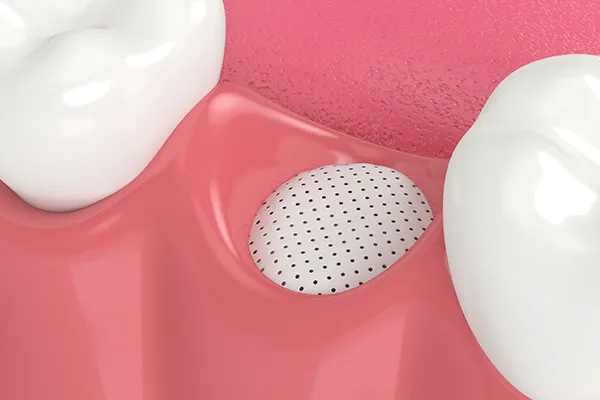 If you are looking for bone grafting in Ashland, KY, Mountain State Oral and Facial Surgery provides advanced, comfortable jawbone restoration designed to rebuild lost bone and prepare your smile for dental implants or other restorative care. Bone grafting is a foundational oral surgery procedure that replaces missing jawbone with healthy graft material, giving your body a scaffold to grow new, dense bone over time. If you are looking for bone grafting in Ashland, KY, Mountain State Oral and Facial Surgery provides advanced, comfortable jawbone restoration designed to rebuild lost bone and prepare your smile for dental implants or other restorative care. Bone grafting is a foundational oral surgery procedure that replaces missing jawbone with healthy graft material, giving your body a scaffold to grow new, dense bone over time.
For many patients, bone loss happens quietly after a tooth is extracted, after years of wearing dentures, or because of advanced gum disease. Without enough bone, dental implants cannot be safely placed, and the shape of the face can begin to change. Our Ashland oral surgery team rebuilds that foundation so your future restorations have the support they need.
You deserve a surgical team that takes the time to evaluate your unique bone structure, explain your options clearly, and guide you through every step. On this page, you will find a thorough look at what bone grafting involves, the types of grafts we perform, what to expect during recovery, and how our Ashland office can help you move forward with confidence.
On This Page
What Is Bone Grafting?
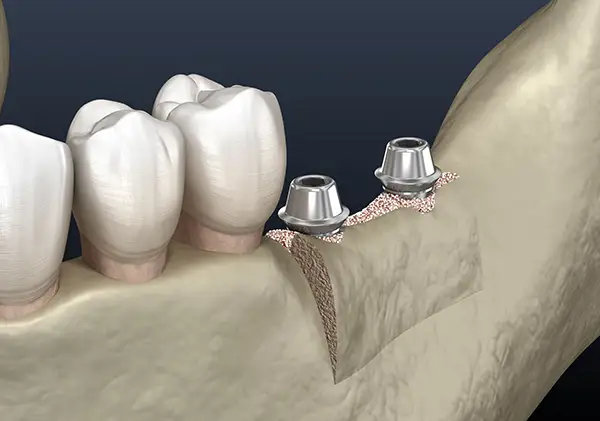 Bone grafting is a procedure that adds new bone material to areas of the jaw where natural bone has been lost or has weakened over time. The graft acts as a placeholder and a guide, encouraging your body to generate new, healthy bone in the treated area. Once the graft has integrated, the rebuilt site can support dental implants, stabilize neighboring teeth, or restore the natural contour of the jaw. Bone grafting is a procedure that adds new bone material to areas of the jaw where natural bone has been lost or has weakened over time. The graft acts as a placeholder and a guide, encouraging your body to generate new, healthy bone in the treated area. Once the graft has integrated, the rebuilt site can support dental implants, stabilize neighboring teeth, or restore the natural contour of the jaw.
Patients in the Ashland area come to us for bone grafting for many reasons. Some have recently had a tooth removed and want to preserve the socket for a future implant. Others have worn dentures for years and need to rebuild ridge volume before transitioning to a more stable restoration. Still others have experienced bone loss from periodontal disease, trauma, or a long-standing missing tooth. We offer the full range of bone restoration services, from straightforward socket preservation to more involved ridge augmentation and sinus lift procedures.
Common Types of Bone Grafts
The right type of graft depends on the size and location of the bone deficiency. Socket preservation grafts are placed at the time of tooth extraction to maintain the volume of the empty socket. Ridge augmentation rebuilds width or height in an area where bone has already collapsed. A sinus lift is used in the upper back jaw, where the sinus floor must be elevated to make room for an implant. We tailor every graft to your anatomy, your goals, and the long-term plan we build together.
Is Bone Grafting Right for You?
You may be a candidate for bone grafting if you have lost a tooth and want to keep your options open for future restoration, if you have been told your jaw is too thin or too short for an implant, or if a denture no longer fits well because the underlying ridge has shrunk. A consultation with our Ashland oral surgery team, often supported by 3D cone beam imaging, will tell us exactly how much bone is present and what kind of graft will give you the best long-term result.
Your Oral Surgeons in Ashland
Bone grafting is a procedure where surgical experience matters a great deal. The oral surgeons at Mountain State Oral and Facial Surgery are board-certified and board-eligible specialists who have completed years of advanced training in oral and maxillofacial surgery, and they perform bone grafting procedures regularly across our network of offices serving Ashland, KY and the surrounding region.
Our team of recognized oral surgeons have deep experience in jawbone reconstruction, implant site preparation, and full-arch restoration planning. Because bone grafting is so often the first step in a larger treatment plan, our surgeons take the time to evaluate your full restorative picture before a single graft is placed. To learn more about each member of our surgical team, visit our Meet Our Doctors page.
Your Bone Grafting Process, Step by Step
Knowing what to expect at each stage of treatment can make the experience feel far less intimidating. Here is what a typical bone grafting visit at our Ashland office looks like from start to finish.
Consultation and 3D Imaging
Your first appointment focuses on listening, evaluating, and planning. We review your medical history, examine the area in question, and use 3D cone beam imaging to measure the exact dimensions of your existing bone. This imaging helps us decide which graft material and technique will give you the most predictable result.
Preparing for Your Comfort
On the day of your procedure, the area is fully numbed with local anesthesia. For patients who prefer to be more relaxed, we offer a range of sedation options and anesthesia options tailored to your medical history and personal comfort level. Most patients tell us the experience was much easier than they expected.
Placement of the Graft
Once you are comfortable, your surgeon gently accesses the bone, prepares the site, and places the graft material in the area where new bone is needed. A protective membrane is often layered over the graft to keep the material in place and to encourage your body to grow new bone in the right shape. The site is then closed with small sutures.
Healing and Integration
Initial healing of the gum tissue takes about one to two weeks. The slower process of bone integration typically takes three to six months, and in some larger reconstructions even longer. During this time, your body gradually replaces the graft material with your own new bone. We see you for follow-up visits along the way to confirm everything is healing as expected before any future implant placement.
Benefits of Bone Grafting
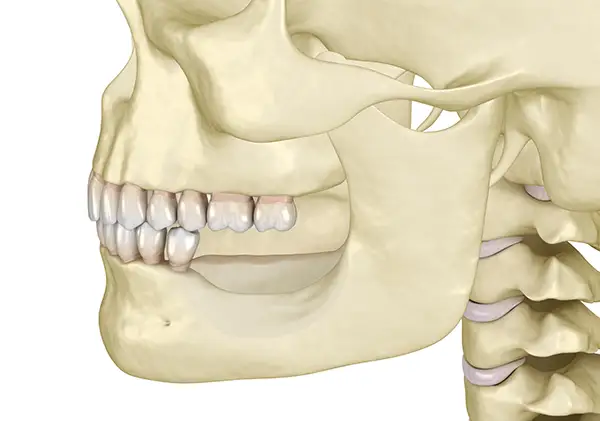 Bone grafting opens doors that would otherwise be closed. For many patients in the Ashland area, it is the difference between being told they are not a candidate for implants and finally having a long-term tooth replacement option that feels and functions like a natural smile. Bone grafting opens doors that would otherwise be closed. For many patients in the Ashland area, it is the difference between being told they are not a candidate for implants and finally having a long-term tooth replacement option that feels and functions like a natural smile.
The most immediate benefit is the ability to support future restorations. A dense, properly contoured ridge gives implants the stability they need to last for decades. Beyond implants, a healthy jawbone also helps preserve the natural shape of your face. When bone is lost, the jaw can begin to shrink and the lower face can take on a sunken appearance. Rebuilding that bone helps maintain a youthful, balanced facial structure.
- Creates a Foundation for Implants – Restores the bone volume needed for predictable, long-lasting implant placement.
- Preserves Facial Structure – Helps prevent the sunken appearance that often follows long-term tooth loss.
- Improves Denture Fit – A rebuilt ridge gives traditional or implant-supported dentures a more secure base.
- Protects Neighboring Teeth – Stabilizes the bone surrounding adjacent teeth so they are less likely to shift or weaken.
- Expands Treatment Options – Many patients who were told they could not have implants become candidates after grafting.
For patients who have been hesitant to move forward with restorative care because of bone loss, grafting often becomes the turning point that makes the rest of the plan possible.
Why Choose Mountain State for Bone Grafting in Ashland
Bone grafting is not a one-size-fits-all procedure, and the result depends heavily on careful planning, the right materials, and a steady hand. At Mountain State Oral and Facial Surgery, we treat every case as its own puzzle. We use 3D imaging to plan the exact location and volume of the graft, we select graft material based on what your specific case calls for, and we coordinate with your restorative dentist when bone grafting is part of a larger plan.
Our Ashland office is part of a larger regional practice that has been serving patients across West Virginia, eastern Kentucky, southern Ohio, and southwestern Virginia for years. That scale gives us deep operational experience with bone grafting cases of every complexity, from a single socket preservation graft to full-arch reconstruction prior to All-on-4 implants. Our state-of-the-art dental technology supports more accurate planning and more comfortable procedures.
Patients also tell us that the atmosphere of our office matters. We take time to answer questions, walk through imaging together, and make sure no one leaves a consultation feeling rushed. Whether you are coming to us from Ashland, Russell, Grayson, or across the river from Ironton, you can expect the same patient-centered approach at every visit.
Bone Grafting Cost and Financing
The investment in bone grafting varies from patient to patient. Cost depends on the size and location of the area being treated, the type of graft material used, whether imaging or sedation is part of the appointment, and whether the graft is being placed on its own or in combination with another procedure such as an extraction or implant. Because of this, we always provide a personalized estimate after your consultation rather than a generic range.
Many dental and medical insurance plans offer some level of coverage for bone grafting, especially when it is medically necessary. Our front office team is happy to verify your benefits and explain what your plan will and will not cover. For more details on accepted insurance and payment options, visit our financial and insurance information page.
Flexible financing options are also available so that cost does not stand between you and the care you need. Call (606) 329-2219 to discuss your options or to request a written estimate after your consultation.
Schedule Your Bone Grafting Consultation
Rebuilding your jawbone is the first step toward rebuilding your smile. Contact Mountain State Oral and Facial Surgery today at (606) 329-2219 to schedule your bone grafting consultation at our Ashland, KY office located at 2301 Lexington Ave, Suite 120, Ashland, KY 41101. Our oral surgery team is here to evaluate your jaw, answer your questions, and outline a plan that fits your goals. Visit our homepage to learn more about our practice and the full scope of services we offer across the region.
Frequently Asked Questions
Is bone grafting painful?
Most patients are surprised by how comfortable bone grafting is. The treatment area is fully numbed, and sedation is available for those who prefer it. Mild swelling and tenderness for a few days afterward are normal and are usually well managed with the recovery instructions we provide.
How long does it take for a bone graft to heal?
Soft tissue heals within about one to two weeks. The bone itself takes longer to fully integrate, typically three to six months for most grafts and longer for larger reconstructions. Your surgeon will confirm with imaging when the site is ready for the next phase of treatment.
Where does the bone graft material come from?
Several materials are commonly used. Some grafts use a small amount of your own bone, while others use processed donor bone, bovine-derived bone, or synthetic materials. All options used at our Ashland office are highly purified, safe, and supported by strong long-term research. Your surgeon will recommend the best material for your case.
Do I need a bone graft before getting dental implants?
Not always. Patients with dense, healthy jawbone may be ready for implants right away. Patients who have lost teeth long ago, have worn dentures for many years, or have had advanced gum disease often need a graft first. A 3D scan during your consultation in Ashland will give us a clear answer.
What is the difference between socket preservation and ridge augmentation?
Socket preservation is a small graft placed at the time of an extraction to keep the socket from collapsing. Ridge augmentation is a larger procedure that rebuilds bone width or height in an area where bone has already been lost. Both fall under the umbrella of bone grafting and may be recommended depending on your situation.
Does dental insurance cover bone grafting?
Many plans offer partial coverage when bone grafting is medically necessary, though specifics vary widely. Our team will verify your benefits and provide a clear estimate before treatment begins. Visit our financial and insurance information page for more details.
How long do bone grafts last?
Once a graft has fully integrated, it becomes part of your living bone and can last a lifetime with normal care. Maintaining good oral hygiene and attending regular dental visits helps protect both the grafted area and the restorations it supports.
Why should I choose Mountain State for bone grafting in Ashland?
Mountain State Oral and Facial Surgery brings together board-certified and board-eligible oral surgeons, advanced 3D imaging, and a patient-first approach to every bone grafting case. Our Ashland office serves patients across northeastern Kentucky and the Tri-State area, and our team is recognized for both surgical skill and a calm, comfortable visit experience.
|