Non-Opioid Pain Management with Exparel®
 Exparel® is a long-lasting non-opioid numbing medication our surgeons can give during your procedure, and it can reduce or eliminate the need for opioids after surgery. That is the direct answer to the question most people are really asking, which is whether they are going home from oral surgery with a bottle of something they would rather not take. Exparel® is a long-lasting non-opioid numbing medication our surgeons can give during your procedure, and it can reduce or eliminate the need for opioids after surgery. That is the direct answer to the question most people are really asking, which is whether they are going home from oral surgery with a bottle of something they would rather not take.
Not every patient receives it, and it is not the only thing we use to keep you comfortable. But the option is there, our surgeons use it as part of an opioid-minimizing approach to controlling pain after surgery, and it is worth raising before your procedure rather than after. It is one of the anesthesia options worth understanding before you sit down.
On This Page
What Exparel Is and What It Does
Exparel is the first and only FDA approved long-acting local analgesic for ages 6 and above. It is indicated for single-dose infiltration in patients aged 6 years and older to produce postsurgical local analgesia. In plainer words: it is a numbing medication, it goes in once, and it keeps working after you leave.
The part that matters to you is what it is not. It is not an opioid, and it is not sedation. It works where your surgery happened, by numbing that area, rather than by changing how you feel about it.
Exparel provides pain control for the first few days after surgery, which is when you need it most. Those first days are the ones people dread and the ones that drive the prescription. Take them off the table and the calculation changes.
Which Procedures It Fits
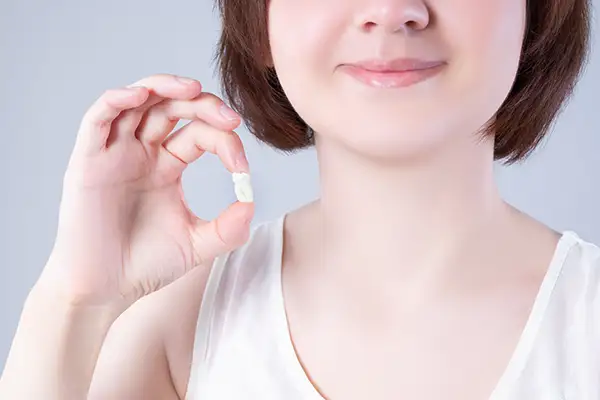 The procedures where recovery is the main objection are the ones where this comes up most. Wisdom teeth removal is the obvious one, because it is where a young adult and a worried parent both arrive already braced for a week of it. General tooth extractions land in the same place for the same reason. The procedures where recovery is the main objection are the ones where this comes up most. Wisdom teeth removal is the obvious one, because it is where a young adult and a worried parent both arrive already braced for a week of it. General tooth extractions land in the same place for the same reason.
It is not limited to those. Exparel numbs the area where your surgery was performed, so it comes up across the surgical work our practice does rather than only the extractions. Our surgeons will tell you whether it makes sense for yours.
What it does not do is replace the conversation. Whether Exparel belongs in your plan depends on your procedure, your health history, and what else you are taking. That is a discussion with your surgeon, and it is a short one.
Who Gives It and Why That Matters
All of our oral and maxillofacial surgeons are fully credentialed and experienced in the administration of anesthesia. That is not a small line. Oral and maxillofacial surgeons are the most qualified dental professionals to perform anesthesia in an office setting, and they are required to earn the highest level of licensure available to dental practitioners to do it.
The surgeon doing your operation is the one who places it, at the site, in the same sitting. Nobody is better positioned to know exactly where the medication needs to go than the person who just operated there. The surgeons who do that are listed, credentials included, on Meet Our Doctors.
How It Fits Into Your Procedure
It is given during your procedure, not handed to you on the way out. That single fact answers most of what people want to know. There is no bottle, no schedule to keep track of, nothing to remember at two in the morning, and nothing sitting in a cabinet afterward.
Because it goes in while you are already numb or asleep, you do not experience it as a separate event. You will not feel it happen and you will not be asked to do anything. It is a single dose, placed once, at the site.
Then you go home. Whatever else your surgeon recommends for comfort gets discussed the same day, and the point of starting from a non-opioid position is that everything after it is a smaller conversation.
What the First Few Days Look Like
Numb, mostly, and that is the idea. Exparel controls pain in the first few days after surgery by numbing the area where the surgery was performed, and those are exactly the days that matter.
What you gain is not only comfort. Opioids may cause sleepiness, constipation, and nausea or vomiting, all of which can work against your recovery rather than for it. Reducing or removing them from the picture means the first few days go to healing rather than to managing a second set of symptoms stacked on the first.
One thing this does not change, and it matters: the anesthetic that carried you through the procedure is a separate question from the numbing that follows it. Our post-operative instructions for extractions ask you not to drive or operate anything hazardous for 24 hours after your release, and Exparel does not shorten that clock. Our post-operative instructions for implants and post-operative FAQs apply exactly as written too.
Why We Offer a Non-Opioid Option
Because the best outcome after oral surgery is a recovery you barely remember, and getting there without an opioid prescription is a better version of it. Offering the option is not complicated once you have decided the recovery matters more than the routine.
Our practice went public on this rather than keeping it as a quiet internal preference. WCHS covered the approach in a news segment, and you can watch their report on our non-opioid approach to pain management rather than take our word for it.
The honest framing is small. This is not a promise that you will feel nothing, and it is not a claim that opioids are never appropriate. It is an option that did not exist a generation ago, our surgeons use it, and you should know it is on the table before you agree to anything.
Cost and Coverage
Ask about this at the same visit where you ask about the procedure, because the two get discussed together and separating them wastes a phone call. There are no figures on this page, since what you pay depends on the procedure it accompanies and on what your plan does with it.
Plans vary more here than in most places, partly because this is newer than the alternative. Our team will read your specific benefits rather than estimate them, and coverage, financing, and payment plan details sit on insurance, financing, and payment options.
Worth weighing against the other column: an opioid prescription carries costs that never reach an invoice. The sleepiness and the nausea are real, and they cost you days. That belongs in the comparison alongside the number rather than beside it.
Ask Us Before Your Surgery, Not After
This gets decided before your procedure, so raise it at your consultation while the plan is still being made. Call 304-343-5161 and ask whether Exparel makes sense for what you are having done. Our Charleston office is at 869 Oakwood Rd, Charleston, WV 25314. You can also request an appointment online and bring the question with you.
Frequently Asked Questions
Will I still need an opioid prescription after my wisdom teeth come out?
Possibly not, and that is the honest version rather than a promise in either direction. Reducing or removing that prescription is exactly what this medication is for, and for a lot of patients it does. What it definitely does is stop the question getting answered when you are already home and sore. Ask at your consultation and you will know the plan before the day rather than at a pharmacy counter.
Is Exparel the same as being sedated or put to sleep?
No, and this is the most common mix-up. Sedation and general anesthesia get you through the procedure. Exparel is a numbing medication that handles the days afterward, and it does not make you sleepy at all. You may well have both, doing two different jobs at two different times. Our anesthesia options page separates them properly.
Can my child have Exparel?
From age six upward, yes. The FDA approval reaches further down than parents tend to assume, and a teenager having wisdom teeth out is comfortably inside it. Whether it belongs in a particular child’s plan is still a conversation with the surgeon rather than an automatic yes. The age itself is rarely what rules it out.
Do I take Exparel at home?
No. It is a single dose given during your procedure, at the surgical site, and there is nothing to take home and nothing to remember. That is a feature rather than a limitation: no schedule, no missed dose at three in the morning, and no leftover medication in a cabinet six months later.
Does every patient get Exparel?
No, and any office telling you otherwise is selling rather than planning. It suits some procedures and some patients better than others, and your health history and what else you take both factor in. It is an option our surgeons reach for, not a protocol everyone gets by default.
What happens when it wears off?
By then you are usually past the worst of it, which is the point of covering the first few days specifically. Your surgeon will have told you what to use afterward if you need anything, and for most people that conversation ends at the over-the-counter aisle. Our post-operative FAQs cover what normal feels like as the week goes on.
What if it is not enough?
Then you call us and we adjust, the same as with any recovery. Nobody is going to tell you to tough it out because a non-opioid plan was the goal. The plan serves you rather than the reverse, and an opioid remains appropriate for some patients and some procedures. Starting from a lower place is not the same as refusing to move.
Is this something new, or has it been around a while?
It is FDA approved and in routine use, and our practice adopted it deliberately enough that a local news station covered the change. If you want a source that is not us, that segment is linked above. New enough that your last oral surgery may not have included it. Established enough that you are not the experiment.
|