How Long After a Tooth Extraction Does Bone Loss Begin?
Posted on 3/26/2026 by Mountain State Oral and Facial Surgery |
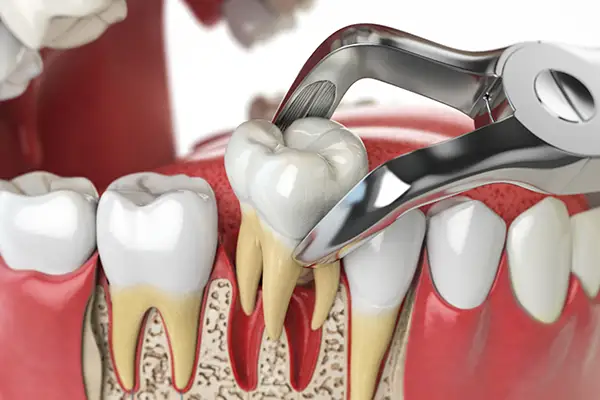 Bone loss after a tooth extraction starts sooner than most people realize, and understanding the timeline can help you make informed decisions about protecting your jaw. When a tooth is removed, the bone that once supported it begins to resorb because it no longer has a purpose. This process, called resorption, can change the shape and volume of your jawbone over time and affect your options for future tooth replacement. Bone loss after a tooth extraction starts sooner than most people realize, and understanding the timeline can help you make informed decisions about protecting your jaw. When a tooth is removed, the bone that once supported it begins to resorb because it no longer has a purpose. This process, called resorption, can change the shape and volume of your jawbone over time and affect your options for future tooth replacement.
At Mountain State Oral and Facial Surgery, our oral surgeons perform tooth extractions at offices throughout West Virginia, Kentucky, and Virginia. We talk with patients every day about what happens after a tooth comes out and what can be done to preserve the bone. This post explains the bone loss timeline, why it matters, and the steps you can take to stay ahead of it.
On This Page
Why Bone Loss Happens After an Extraction
Your jawbone stays strong and dense because of the mechanical stimulation it receives from tooth roots. Every time you chew, bite, or clench, forces travel through the tooth roots into the surrounding bone. This constant stimulation signals the body to keep rebuilding and maintaining that bone tissue.
When a tooth is extracted, that stimulation stops. Without it, the body interprets the bone in that area as no longer needed and begins breaking it down through a process called osteoclastic resorption. The bone cells that normally maintain the ridge are reabsorbed, and the body redirects those minerals elsewhere.
This isn’t a flaw in how the body works. It’s actually an efficient system: your body doesn’t maintain structures it doesn’t need. But it does mean that leaving an extraction site untreated can lead to significant changes in the jaw over time.
The Bone Loss Timeline
Bone resorption begins almost immediately after a tooth is removed. The most dramatic changes happen in the first few months, then continue at a slower pace over the years.
During the first one to three months after extraction, the walls of the empty socket begin to collapse inward. Studies show that patients can lose up to 25% of the bone width in the extraction area during this initial period. This is the fastest phase of resorption.
Between three and twelve months, the ridge continues to narrow and shorten. By the six-month mark, a noticeable amount of both the width and height of the bone ridge has typically been lost. This is one reason oral surgeons recommend replacing missing teeth or preserving the socket sooner rather than later.
After the first year, bone loss continues but at a slower rate. Over several years, the ridge can flatten significantly, especially if multiple adjacent teeth were extracted. In our experience, patients who wait years before considering implants or other replacement options often need additional procedures like bone grafting to rebuild what was lost.
The rate and extent of resorption varies from person to person. Factors like age, overall health, smoking status, and the location of the extraction (front vs. back of the mouth, upper vs. lower jaw) all play a role.
Why Post-Extraction Bone Loss Matters
The consequences of bone loss extend beyond what you might expect. The most immediate concern for many patients is how it affects future tooth replacement. Dental implants require a certain volume and density of bone to be placed successfully. If too much bone has resorbed, a bone grafting procedure may be needed before an implant can be placed, adding time and complexity to the treatment process. You can read more about this connection on our missing teeth and bone loss page.
Bone loss also affects the fit and comfort of dentures. As the ridge shrinks, dentures become looser and may need to be relined or replaced more frequently. Patients with significant ridge resorption often report difficulty eating and speaking with traditional dentures.
There are also aesthetic effects. The jawbone provides structural support for the lower face. When bone volume decreases, the facial profile can change. The chin may appear to recede, the lips may lose support, and the skin around the mouth can develop deeper creases. These changes tend to be more pronounced when multiple teeth are missing.
How Socket Preservation Protects Your Bone
Socket preservation is a procedure performed at the time of extraction to minimize bone loss before it starts. It’s one of the most effective ways to maintain the ridge and keep your options open for future tooth replacement.
During socket preservation, the surgeon places a bone grafting material into the empty socket immediately after the tooth is removed. This material acts as a scaffold that supports the walls of the socket and encourages your body to regenerate new bone tissue in the area rather than breaking it down. A membrane is often placed over the graft material, and the site is closed with sutures.
The graft doesn’t add bone that wasn’t there before. Instead, it preserves the bone that already exists by giving the body a framework to build on. Over the following three to six months, the graft integrates with the surrounding natural bone, maintaining the ridge’s width and height.
Not every extraction requires socket preservation. Your surgeon will recommend it when you’re planning to place an implant later, when the extraction site is in a visible area, or when maintaining bone volume is important for your long-term treatment plan. The decision is best made before the extraction happens, which is one more reason to have your extraction performed by a surgeon who’s thinking about the bigger picture.
Protecting Your Jawbone Starts Now
If you’re facing an extraction or have already lost a tooth, the sooner you address bone preservation, the more options you’ll have down the road. Our surgeons at Mountain State Oral and Facial Surgery can evaluate your situation and recommend the right approach for your needs. Visit our locations page to find an office near you in West Virginia, Kentucky, or Virginia, or request an appointment online. Learn more about our practice on our homepage.
Frequently Asked Questions
Can bone loss from a missing tooth be reversed?
Bone that has already been lost can’t regenerate on its own, but it can be rebuilt through bone grafting procedures. The graft provides a scaffold for new bone growth, restoring enough volume for implant placement or other treatment.
How much bone do I need for a dental implant?
The exact requirements depend on the implant size and location. Generally, adequate bone width and height are needed to fully surround and support the implant post. Your oral surgeon can determine this through 3D imaging during a consultation.
Is socket preservation done at the same time as the extraction?
Yes. Socket preservation is performed immediately after the tooth is removed, while the socket is still open. This timing is important because it prevents the initial collapse of the socket walls that drives early bone loss.
Does every extracted tooth cause bone loss?
Yes. Some degree of bone resorption occurs after every extraction because the stimulation from the tooth root is no longer present. The rate and severity vary, but the process begins within the first few weeks after the tooth is removed.
How long can I wait after an extraction to get an implant?
It’s best to discuss implant timing with your oral surgeon before the extraction. In some cases, an implant can be placed the same day. In others, a healing period of three to six months is needed, especially if socket preservation or bone grafting is performed first.
|
|