How Smoking Affects Dental Implant Success Rates and What You Can Do About It
Posted on 1/8/2026 by Mountain State Oral and Facial Surgery |
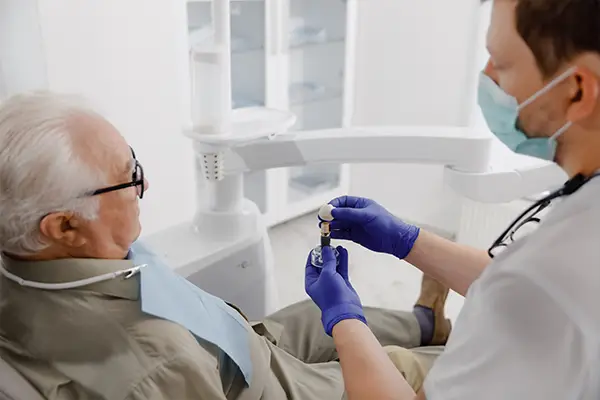 If you’re a smoker considering dental implants, understanding how tobacco use affects implant success is one of the most important steps you can take before treatment. Dental implants have an excellent track record for most patients, but smoking introduces specific risks that can interfere with healing and long-term results. The good news: these risks aren’t a dead end. With the right preparation and guidance, many smokers go on to have successful implant outcomes. If you’re a smoker considering dental implants, understanding how tobacco use affects implant success is one of the most important steps you can take before treatment. Dental implants have an excellent track record for most patients, but smoking introduces specific risks that can interfere with healing and long-term results. The good news: these risks aren’t a dead end. With the right preparation and guidance, many smokers go on to have successful implant outcomes.
At Mountain State Oral and Facial Surgery, our oral surgeons work with patients across West Virginia, Kentucky, and Virginia to evaluate candidacy and create treatment plans that account for every factor, including tobacco use. This post breaks down exactly how smoking affects dental implants, what the research shows, and what you can do to improve your chances.
On This Page
How Smoking Disrupts the Healing Process
Dental implants rely on a biological process called osseointegration, where the titanium implant post fuses with the surrounding jawbone over several months. This fusion is what gives implants their strength and stability. Smoking directly interferes with osseointegration in multiple ways.
Nicotine constricts blood vessels, which reduces blood flow to the surgical site. Healthy blood flow delivers oxygen and nutrients that bone and soft tissue need to heal. When that supply is restricted, the bone around the implant may not integrate properly, and the gum tissue may heal more slowly. Carbon monoxide in cigarette smoke also decreases the oxygen-carrying capacity of your blood, compounding the problem.
Beyond the chemical effects, the heat from inhaling smoke can irritate oral tissues that are already recovering from a procedure. This combination of reduced circulation, lower oxygen levels, and tissue irritation creates an environment where healing is significantly compromised.
Specific Risks Smokers Face with Dental Implants
Research consistently shows that smokers experience higher rates of implant complications than nonsmokers. The most significant risks include higher implant failure rates (studies suggest failure rates for smokers can be two to three times higher than for nonsmokers), increased risk of infection at the surgical site, greater bone loss around the implant over time, and delayed or incomplete healing of gum tissue.
It’s also worth noting that smoking affects bone density overall. Patients who have smoked for many years may already have reduced jawbone volume, which can complicate implant placement and may require additional procedures like bone grafting before an implant can be placed.
These risks don’t mean implants are impossible for smokers. They do mean that an honest conversation with your oral surgeon about your tobacco use is essential to planning a successful outcome.
Why Quitting Before Surgery Makes a Difference
Most oral surgeons recommend that patients stop smoking well before implant placement. The general recommendation is to quit at least two to four weeks before the procedure and to remain smoke-free for at least eight weeks afterward, though longer is better.
Even a short period of cessation allows blood vessels to begin functioning more normally. Oxygen levels in the blood improve within days of quitting, and circulation to the gums and jawbone starts to recover. These changes directly support the healing environment your implant needs.
Some patients worry that quitting temporarily won’t make a meaningful difference. In our experience, it absolutely does. The body’s ability to heal rebounds faster than many people expect, and even a few weeks without tobacco can improve surgical outcomes. Of course, quitting permanently offers the greatest benefit for both your oral health and your overall well-being.
Your primary care physician or a smoking cessation program can provide tools like nicotine patches, counseling, or prescription medications to help you through the process.
Am I Still a Candidate for Dental Implants?
Being a smoker doesn’t automatically disqualify you from receiving dental implants. Candidacy depends on several factors: the health and density of your jawbone, how much and how long you’ve smoked, your willingness to modify habits around the procedure, and your overall health. Our surgeons evaluate all of these during a thorough consultation that includes implant candidacy assessment and 3D imaging.
We often work with patients who are current or former smokers. A question our team hears frequently is whether vaping or smokeless tobacco carries the same risks. While research is still evolving, nicotine in any form restricts blood flow and can impair healing. We advise patients to disclose all forms of tobacco and nicotine use so we can plan accordingly.
Honesty with your surgeon is the best thing you can do for your results. When we know the full picture, we can adjust the treatment timeline, recommend pre-surgical steps, and set realistic expectations.
Taking the Next Step
If you’re a smoker thinking about dental implants, don’t let tobacco use keep you from exploring your options. Mountain State Oral and Facial Surgery has nine locations across West Virginia, Kentucky, and Virginia where our board-certified oral surgeons can evaluate your situation and help you build a plan for success. Visit our homepage or request an appointment to get started.
Frequently Asked Questions
Can I get dental implants if I currently smoke?
Yes, many smokers receive dental implants successfully. However, your oral surgeon will likely recommend quitting or reducing tobacco use before and after the procedure to improve healing and reduce the risk of complications.
How long should I stop smoking before implant surgery?
Most oral surgeons recommend stopping at least two to four weeks before the procedure. Staying smoke-free for eight or more weeks after placement gives the implant the best chance to integrate with the bone.
Does vaping affect dental implant healing the same way as smoking?
Vaping still delivers nicotine, which constricts blood vessels and reduces blood flow to the surgical site. While it eliminates some of the harmful chemicals in cigarette smoke, it can still impair healing and affect implant success.
What happens if I smoke after getting a dental implant?
Smoking after implant placement increases the risk of implant failure, infection, and bone loss around the implant. The most critical healing period is the first several weeks after the procedure, when osseointegration is taking place.
Where can I get a dental implant consultation in West Virginia?
Mountain State Oral and Facial Surgery offers dental implant consultations at nine offices across West Virginia, Kentucky, and Virginia. Visit our locations page to find the office nearest you.
|
|