What Causes Dry Socket After Wisdom Teeth Removal and How to Prevent It
Posted on 1/23/2026 by Mountain State Oral and Facial Surgery |
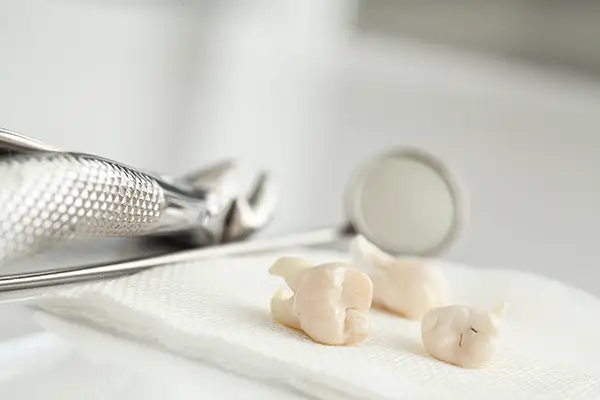 Dry socket is one of the most common concerns patients have after wisdom teeth removal, and knowing what causes it can help you avoid it. Officially called alveolar osteitis, dry socket occurs when the blood clot that forms in the extraction site becomes dislodged or dissolves too early, leaving the underlying bone and nerves exposed. It’s uncomfortable, but it’s also largely preventable when you follow the right aftercare steps. Dry socket is one of the most common concerns patients have after wisdom teeth removal, and knowing what causes it can help you avoid it. Officially called alveolar osteitis, dry socket occurs when the blood clot that forms in the extraction site becomes dislodged or dissolves too early, leaving the underlying bone and nerves exposed. It’s uncomfortable, but it’s also largely preventable when you follow the right aftercare steps.
Our oral surgery team at Mountain State Oral and Facial Surgery performs wisdom teeth removal at offices throughout West Virginia, Kentucky, and Virginia. We see thousands of extraction patients each year, and while dry socket does happen occasionally, most cases can be traced to specific habits or risk factors during the healing window. Here’s what you need to know.
On This Page
What Is Dry Socket?
After a tooth is extracted, a blood clot naturally forms in the empty socket. This clot serves as a protective barrier over the bone and nerve endings below. It also provides the foundation for new tissue growth as the site heals.
Dry socket develops when that clot is lost before healing is complete. Without the clot, the bone is directly exposed to air, food particles, and bacteria in the mouth. This exposure causes intense, throbbing discomfort that typically starts two to four days after the extraction. Some patients also notice a bad taste or odor coming from the extraction site.
Dry socket affects roughly 2–5% of all tooth extractions, but the rate is higher for wisdom teeth, particularly lower wisdom teeth. Impacted wisdom teeth that require more extensive removal carry a somewhat greater risk because the surgical site is larger and the healing demands are greater.
Causes and Risk Factors
Several factors can increase the likelihood of developing dry socket. Some are within your control; others are not.
Suction is the leading preventable cause. Drinking through a straw, smoking, or spitting forcefully in the days after extraction can physically pull the blood clot out of the socket. This is why your post-operative instructions will specifically tell you to avoid these activities.
Tobacco use is a major risk factor on its own. Nicotine reduces blood flow to the gums, and the chemicals in cigarette smoke can contaminate the wound. Studies show smokers develop dry socket at significantly higher rates than nonsmokers. If you use tobacco, let your surgeon know so they can advise you on timing.
Other risk factors include a history of dry socket from previous extractions, use of oral contraceptives (the estrogen in these medications can affect how blood clots form), poor oral hygiene around the extraction site, and having had an infection in the tooth or surrounding tissue before the extraction.
Women tend to experience dry socket more frequently than men, which researchers believe is related to hormonal differences that influence clotting.
How to Prevent Dry Socket
The best prevention strategy starts with following your post-operative care instructions carefully. These guidelines exist specifically to protect the blood clot during the critical first several days of healing.
Avoid straws for at least five to seven days after your extraction. The suction created by sipping through a straw is one of the most common triggers. Stick to drinking directly from a cup.
Don’t smoke or use tobacco for at least 48 to 72 hours after the procedure, and longer if possible. If you can avoid tobacco for a full week, your risk drops significantly.
Be gentle when rinsing your mouth. Your surgeon may recommend a warm saltwater rinse starting the day after the procedure, but do it gently. Swishing aggressively can disturb the clot.
Eat soft foods and avoid anything crunchy, sharp, or very hot for the first few days. Foods like yogurt, mashed potatoes, and lukewarm soup are good choices. Chew on the opposite side of your mouth when you do begin eating more solid foods.
Stay hydrated and get adequate rest. Your body heals more efficiently when it’s well-nourished and not under physical stress.
Signs of Dry Socket and When to Seek Help
Normal post-extraction discomfort tends to improve gradually each day. Dry socket, by contrast, typically produces worsening discomfort that begins two to four days after the procedure. If you notice a sudden increase in intensity, especially if it radiates toward your ear or temple on the same side, that’s a strong signal to contact your surgeon.
You may also be able to see the empty socket when you look in a mirror. Instead of a dark blood clot, you might see whitish bone or a dry-looking opening. An unpleasant taste or odor in your mouth is another common sign.
Dry socket is treatable. Your oral surgeon can clean the socket and apply a medicated dressing that relieves discomfort quickly, often within minutes. The dressing may need to be replaced a few times over the following days as the site heals. Most patients feel significantly better within 24 hours of treatment.
What to Do if You Suspect Dry Socket
If you think you may be developing dry socket, reach out to the office where your extraction was performed. At Mountain State Oral and Facial Surgery, our team is available to help you through recovery at any of our nine locations. You can also request a follow-up appointment through our website. Prompt treatment makes a real difference in comfort, so don’t wait it out if something doesn’t feel right. Visit our homepage to learn more about our practice and the care we provide.
Frequently Asked Questions
How long after an extraction can dry socket occur?
Dry socket most commonly develops between two and four days after the extraction. After the first week, the risk drops significantly because the blood clot has had time to stabilize and healing tissue begins to cover the site.
Can you get dry socket from eating too soon?
Eating soft foods after an extraction is fine and actually encouraged for healing. However, crunchy or hard foods could irritate or dislodge the blood clot. Stick to soft foods for the first several days and chew away from the extraction site.
Is dry socket an emergency?
Dry socket is not a medical emergency, but it should be treated promptly. The exposed bone can cause significant discomfort, and a medicated dressing applied by your oral surgeon provides fast relief.
Does everyone get dry socket after wisdom teeth removal?
No. Dry socket only affects a small percentage of extraction patients. Following your surgical aftercare instructions, avoiding straws, and not smoking are the most effective ways to prevent it.
How is dry socket treated?
Your oral surgeon will gently clean the socket and place a medicated dressing to protect the bone and reduce discomfort. The dressing is typically replaced every few days until the site begins healing on its own.
|
|