Jaw Surgery and Speech: How Corrective Surgery Can Improve Articulation
Posted on 2/9/2026 by Mountain State Oral and Facial Surgery |
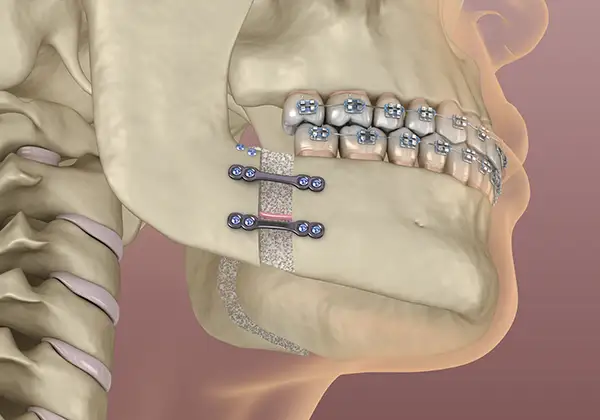 Corrective jaw surgery, also known as orthognathic surgery, can improve speech and articulation for patients whose jaw alignment affects the way they talk. Most people associate jaw surgery with bite correction or facial balance, but speech improvement is one of the most meaningful outcomes for patients who’ve struggled with unclear pronunciation or chronic jaw strain while speaking. Corrective jaw surgery, also known as orthognathic surgery, can improve speech and articulation for patients whose jaw alignment affects the way they talk. Most people associate jaw surgery with bite correction or facial balance, but speech improvement is one of the most meaningful outcomes for patients who’ve struggled with unclear pronunciation or chronic jaw strain while speaking.
At Mountain State Oral and Facial Surgery, our board-certified oral and maxillofacial surgeons perform orthognathic surgery across our offices in West Virginia, Kentucky, and Virginia. We work closely with orthodontists to plan procedures that address both functional and aesthetic concerns. If you’ve been told your jaw alignment may be contributing to speech difficulties, this post will help you understand the connection and what treatment can look like.
On This Page
How Jaw Alignment Affects Speech
Clear speech depends on precise coordination between your tongue, lips, teeth, palate, and jaw. When the upper and lower jaws don’t align properly, these structures can’t interact the way they need to for certain sounds.
An underbite (where the lower jaw sits too far forward), an overbite (where the upper jaw extends significantly beyond the lower), or an open bite (where the front teeth don’t meet when the mouth is closed) can all change the space and positioning available for your tongue. Since the tongue makes contact with specific areas of the palate and teeth to produce sounds like “s,” “t,” “d,” “n,” and “l,” even small misalignments can cause noticeable speech differences.
Some patients compensate for these structural issues without realizing it, adjusting their tongue placement or jaw position subconsciously. Over time, these compensations can cause muscle fatigue, jaw discomfort, and speech patterns that feel effortful rather than natural.
Common Speech Issues Linked to Jaw Misalignment
Not every speech difficulty is related to jaw structure. But certain patterns tend to show up more frequently in patients with skeletal jaw discrepancies.
Lisping is one of the most common. An open bite or significant overjet can make it difficult to produce sharp “s” and “z” sounds because the tongue can’t seal against the palate or teeth properly. Air escapes through the gap, producing a soft or distorted sound.
Difficulty with “th,” “f,” and “v” sounds can also occur when the relationship between the upper teeth and lower lip is altered by jaw position. These sounds require the lip to contact the edge of the upper teeth at a specific angle.
Nasality, or a “nasal” quality to the voice, sometimes develops in patients with significant midface deficiencies or palatal issues. When the jaw and palate don’t provide adequate separation between the oral and nasal cavities, airflow during speech can be affected.
In our experience, many patients who come in for a bite evaluation mention that they’ve always felt self-conscious about certain words or sounds. They often don’t connect those speech patterns to their jaw structure until we discuss it during the consultation.
How Corrective Jaw Surgery Helps
Orthognathic surgery repositions the upper jaw, lower jaw, or both into proper alignment. By correcting the skeletal foundation, the procedure changes the physical space your tongue and lips work within. This allows for more natural, efficient sound production.
The surgical procedure is performed under general anesthesia and involves making precise cuts in the jawbone, repositioning the segments, and securing them with small titanium plates and screws. The planning process is highly detailed, often incorporating 3D imaging and digital models to simulate the final result before any incisions are made.
It’s important to understand that jaw surgery corrects the structural component of speech difficulties. If a patient has developed long-standing speech habits or compensatory tongue movements, speech therapy after the procedure can help retrain those patterns. Many patients notice immediate improvements in certain sounds, while others see gradual progress over weeks and months as they adjust to their new jaw position.
Orthodontic treatment typically accompanies jaw surgery. Braces or aligners are used before and after the procedure to fine-tune the bite, ensuring that the teeth fit together properly once the jaws are in their corrected positions.
Recovery and Adjusting to Your New Speech
Recovery from orthognathic surgery generally involves several weeks of a modified diet (liquids and soft foods), along with swelling that gradually subsides over the first month or two. Most patients return to work or school within two to three weeks, though full healing takes several months.
During the early recovery phase, speech may actually sound different than it did before the procedure. Swelling in the tissues around the jaw and palate can temporarily affect articulation, and numbness in the lips or chin (which is normal and typically resolves over weeks to months) can make certain sounds feel unfamiliar. This is temporary.
As swelling resolves and you adapt to the new positioning of your jaw, speech typically improves noticeably. Patients who had compensatory habits may benefit from a few sessions with a speech-language pathologist to accelerate the adjustment. Many of our patients tell us that within a few months, speaking feels more natural than it ever did before.
The full range of services we offer at Mountain State Oral and Facial Surgery includes comprehensive pre-surgical evaluation, imaging, and coordinated care with your orthodontist to ensure the best possible outcome.
Is Jaw Surgery Right for You?
If jaw misalignment is affecting your speech, breathing, bite, or quality of life, corrective jaw surgery may be worth exploring. Our surgeons at Mountain State Oral and Facial Surgery can evaluate your jaw structure, discuss your goals, and help you understand whether orthognathic surgery could make a difference. Visit our locations page to find the office nearest you, or request an appointment to schedule a consultation. You can also learn more about our practice on our homepage.
Frequently Asked Questions
Will jaw surgery fix my lisp?
If your lisp is caused by a structural jaw issue like an open bite or significant overjet, corrective jaw surgery can create the proper alignment your tongue and teeth need for clear “s” and “z” sounds. Some patients also benefit from speech therapy after the procedure to retrain habits.
How long does it take for speech to improve after jaw surgery?
Some patients notice improvements within a few weeks as swelling goes down. For others, the full benefit develops over several months as they adjust to the new jaw position. Speech therapy can speed up this process.
Can jaw surgery make speech worse?
Speech may sound different during the initial recovery period due to swelling and temporary numbness. This is not permanent. As healing progresses, speech typically improves beyond where it was before the procedure.
Do I need braces along with jaw surgery?
In most cases, yes. Orthodontic treatment before and after orthognathic surgery helps align the teeth so that the bite functions properly once the jaws are repositioned. Your oral surgeon and orthodontist will coordinate this plan together.
Is jaw surgery covered by insurance?
When jaw surgery is performed to correct a functional issue such as a bite problem or breathing obstruction, medical insurance often covers part or all of the procedure. Our team can help you understand your benefits and navigate the approval process.
|
|