What Happens During an Oral Biopsy and Why Your Surgeon May Recommend One
Posted on 2/23/2026 by Mountain State Oral and Facial Surgery |
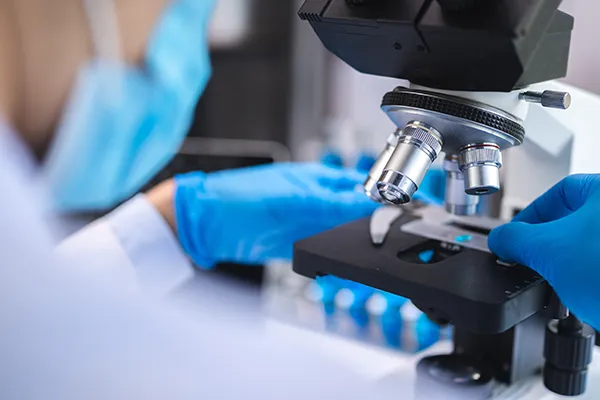 If your oral surgeon has recommended a biopsy of a spot in your mouth, it’s natural to feel uneasy, but understanding what an oral biopsy involves can help put your mind at ease. An oral biopsy is a straightforward diagnostic procedure where a small sample of tissue is collected from the mouth and sent to a lab for analysis. It’s one of the most reliable ways to determine whether an unusual lesion, sore, or growth is something that needs treatment. If your oral surgeon has recommended a biopsy of a spot in your mouth, it’s natural to feel uneasy, but understanding what an oral biopsy involves can help put your mind at ease. An oral biopsy is a straightforward diagnostic procedure where a small sample of tissue is collected from the mouth and sent to a lab for analysis. It’s one of the most reliable ways to determine whether an unusual lesion, sore, or growth is something that needs treatment.
At Mountain State Oral and Facial Surgery, our oral and maxillofacial surgeons perform biopsies as part of our oral pathology services at offices across West Virginia, Kentucky, and Virginia. We walk every patient through the process before, during, and after so you know exactly what to expect. This post covers why biopsies are recommended, what the procedure looks like, and how the results shape your next steps.
On This Page
Why Your Surgeon May Recommend a Biopsy
Not every unusual spot in the mouth requires a biopsy. Many oral lesions are harmless and resolve on their own. However, certain characteristics prompt a closer look: a sore that hasn’t healed after two weeks, a white or red patch on the gums, tongue, or inner cheek, a persistent lump or thickened area, or any unexplained changes in oral tissue.
Your surgeon isn’t necessarily expecting the worst when they recommend a biopsy. In many cases, the goal is to rule out anything serious and confirm a benign diagnosis. A biopsy provides definitive answers that a visual exam alone can’t deliver. It takes the guesswork out of the equation and gives both you and your treatment team a clear path forward.
Certain risk factors may make a biopsy more likely. Tobacco use, heavy alcohol consumption, a history of oral lesions, and prolonged sun exposure to the lips all increase the importance of investigating suspicious tissue changes promptly.
Types of Oral Biopsies
There are two main types of oral biopsies, and the one your surgeon recommends depends on the size, location, and nature of the area in question.
Incisional Biopsy
An incisional biopsy removes a small portion of the abnormal tissue along with a margin of normal tissue for comparison. This approach is typically used for larger lesions where removing the entire area isn’t practical or necessary for diagnosis. The lab examines the sample to determine what type of cells are present and whether further treatment is needed.
Excisional Biopsy
An excisional biopsy removes the entire lesion or area of concern. This is common for smaller spots where the surgeon can safely remove the whole thing in one procedure. An excisional biopsy can serve as both the diagnostic step and the treatment in cases where the tissue turns out to be benign or precancerous.
Your surgeon will explain which approach is recommended for your specific situation and why.
What to Expect During the Procedure
An oral biopsy is typically a quick, in-office procedure. Most patients are surprised by how simple it is. Here’s a general overview of what happens.
The area around the biopsy site is numbed with a local anesthetic, so you won’t feel discomfort during the procedure. In some cases, sedation may also be available if you feel anxious; our team can discuss your first visit and comfort options beforehand.
Once the area is numb, the surgeon uses a scalpel, laser, or specialized punch tool to collect the tissue sample. For an incisional biopsy, only a small piece is taken. For an excisional biopsy, the entire lesion is removed. The procedure itself usually takes just a few minutes.
Depending on the size and location of the biopsy, the site may be closed with a few stitches. Some smaller biopsies heal on their own without sutures. Your surgeon will let you know what to expect for your specific case.
The tissue sample is then placed in a preserving solution and sent to a pathology lab for microscopic examination.
After the Biopsy: Recovery and Care
Recovery from an oral biopsy is generally mild. Most patients return to their normal routine the same day or the next day. You may experience some soreness at the biopsy site for a few days, which can usually be managed with over-the-counter medication.
Your surgeon will provide aftercare instructions that may include rinsing gently with warm salt water, avoiding spicy or acidic foods that could irritate the site, not smoking or using tobacco during healing, and keeping the area clean.
If stitches were placed, they’re typically the dissolving kind that don’t need to be removed. Any mild swelling or tenderness should improve steadily over the first week. If you notice increased swelling, bleeding that doesn’t stop, or signs of infection, contact the office where your biopsy was performed right away.
Understanding Your Biopsy Results
Results typically take one to two weeks, depending on the pathology lab. Once the report is available, your surgeon will review it with you in detail and explain what the findings mean.
In many cases, biopsy results confirm that the tissue is benign, meaning no further treatment is necessary beyond monitoring. If the results show precancerous or dysplastic cells, your surgeon will discuss options for removing the remaining tissue and monitoring the area over time. If the biopsy reveals something that requires further treatment, your oral surgeon will coordinate next steps and refer you to any additional specialists if needed.
Regardless of the result, having a definitive diagnosis is always better than wondering. Early detection of any oral condition, including oral pathology concerns, leads to better outcomes and more treatment options.
Schedule a Consultation
If you’ve noticed something unusual in your mouth, or if your dentist has referred you for a biopsy, our team at Mountain State Oral and Facial Surgery is here to help. Visit our locations page to find the office nearest you across West Virginia, Kentucky, or Virginia, or request an appointment online. You can also learn more about our practice and our surgeons on our homepage.
Frequently Asked Questions
Does an oral biopsy hurt?
The biopsy site is numbed with local anesthetic before the procedure, so you shouldn’t feel discomfort during the tissue collection. Mild soreness afterward is normal and typically manageable with over-the-counter medication.
How long does an oral biopsy take?
The actual biopsy procedure usually takes just a few minutes. Including preparation and numbing, you can expect the appointment to last around 15 to 30 minutes total.
When will I get my biopsy results?
Most biopsy results are available within one to two weeks. Your oral surgeon’s office will contact you to review the findings and discuss any next steps once the pathology report is complete.
Does a biopsy always mean cancer?
No. A biopsy is a diagnostic tool used to determine what a lesion or tissue change actually is. The majority of oral biopsies come back as benign. The purpose is to get a definitive answer, not to confirm a worst-case scenario.
Can my general dentist do an oral biopsy?
Some general dentists perform simple biopsies, but many refer patients to an oral and maxillofacial surgeon for the procedure. Oral surgeons have specialized training in diagnosing and managing oral pathology conditions.
|
|