Bisphosphonate Medications and Your Jaw: What Patients on Bone-Loss Drugs Should Know
Posted on 6/9/2026 by Mountain State Oral and Facial Surgery |
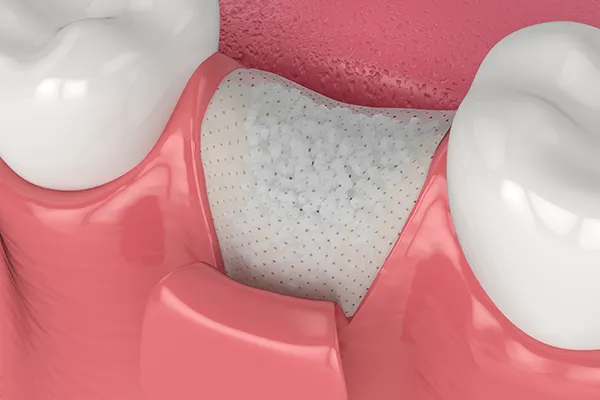 If you take bisphosphonate medications for osteoporosis, bone cancer, or other bone-loss conditions, there’s an important connection between these drugs and your jaw health that you should understand before any dental or oral surgery procedure. Bisphosphonates are effective at slowing bone breakdown and reducing fracture risk, but they can also affect how your jawbone heals after tooth extractions, implant placement, or other surgical procedures involving the jaw. If you take bisphosphonate medications for osteoporosis, bone cancer, or other bone-loss conditions, there’s an important connection between these drugs and your jaw health that you should understand before any dental or oral surgery procedure. Bisphosphonates are effective at slowing bone breakdown and reducing fracture risk, but they can also affect how your jawbone heals after tooth extractions, implant placement, or other surgical procedures involving the jaw.
At Mountain State Oral and Facial Surgery, we regularly work with patients who take bisphosphonates. With the right planning, most patients can still receive the oral surgery care they need. Here’s what you should know about how these medications interact with your jaw and what steps you can take to protect yourself.
On This Page
What Are Bisphosphonates?
Bisphosphonates are a class of medications prescribed to slow down bone resorption, the natural process by which old bone is broken down and replaced. They’re most commonly used to treat osteoporosis, but they’re also prescribed for conditions like Paget’s disease, bone metastases from certain cancers, and multiple myeloma.
Common oral bisphosphonates include alendronate (Fosamax), risedronate (Actonel), and ibandronate (Boniva). Intravenous bisphosphonates, such as zoledronic acid (Zometa or Reclast) and pamidronate (Aredia), are typically used for cancer-related bone conditions and are administered less frequently but at higher doses.
These medications work by binding to bone and inhibiting the cells (osteoclasts) that normally break down bone tissue. While this is exactly the effect you want for preventing fractures in your spine or hip, it also means the bone in your jaw may not remodel and heal as effectively after dental procedures.
How Bisphosphonates Affect the Jaw
The primary concern is a condition called medication-related osteonecrosis of the jaw, often shortened to MRONJ (sometimes still referred to as BRONJ, for bisphosphonate-related osteonecrosis of the jaw). In this condition, a section of jawbone fails to heal after an invasive dental procedure, leaving exposed bone that doesn’t recover on its own.
MRONJ is uncommon, but it’s a serious complication when it does occur. The jawbone is particularly vulnerable because it has a higher turnover rate than most other bones in the body, and because the thin tissue lining of the mouth means there’s less soft tissue protection over the bone compared to other areas.
Symptoms of MRONJ can include exposed bone in the mouth that persists for more than eight weeks, discomfort or swelling in the jaw, loosening of teeth in the affected area, numbness or heaviness in the jaw, and drainage or signs of infection. Early stages may have no symptoms at all, which is why prevention and proactive communication with your oral surgeon are so important.
It’s worth emphasizing that MRONJ is relatively rare, especially in patients taking oral bisphosphonates for osteoporosis. The risk is significantly higher for patients receiving IV bisphosphonates for cancer treatment, where the doses are much larger and more frequent.
Risk Factors to Understand
Not everyone taking bisphosphonates faces the same level of risk. Several factors influence how likely MRONJ is to develop.
The type and route of bisphosphonate matters most. Patients on IV bisphosphonates for cancer have a notably higher risk than those taking a daily or weekly oral pill for osteoporosis. Duration of use also plays a role; patients who have been on bisphosphonates for more than three to four years generally face higher risk than those who started recently.
The type of dental procedure is another factor. Tooth extractions, dental implant placement, and procedures that involve bone grafting carry a higher risk than routine cleanings or fillings, because they expose the jawbone directly and require active bone healing.
Other conditions can compound the risk. Diabetes, smoking, steroid use, and chemotherapy all affect healing and can increase the likelihood of complications. Your oral surgeon will evaluate all of these factors when planning your care.
Prevention and Planning
The single most important step you can take is to tell your oral surgeon about every medication you’re currently taking or have taken in the past, including bisphosphonates. These drugs remain in bone tissue for years after you stop taking them, so even if you discontinued the medication months ago, your surgeon still needs to know.
If you haven’t started bisphosphonate therapy yet and you know you’ll need dental work, your prescribing physician and oral surgeon may coordinate to complete any necessary extractions or oral surgery before you begin the medication. This is the ideal scenario because your jaw can heal normally before the drug begins affecting bone turnover.
For patients already taking bisphosphonates, your oral surgeon may discuss a concept called a “drug holiday” with your prescribing doctor. This involves temporarily pausing the medication before and after a dental procedure to give the jawbone a better chance at healing. Whether a drug holiday is appropriate depends on the type of bisphosphonate, how long you’ve been taking it, and the nature of the planned procedure. This decision is always made in collaboration with the physician who prescribed the medication.
Good oral hygiene and regular dental checkups are also protective. Preventing dental disease reduces the likelihood that you’ll need invasive procedures in the first place. If you can avoid extractions by catching cavities early or managing gum disease proactively, you significantly lower your risk of MRONJ.
Talk to Your Oral Surgeon
If you’re taking bisphosphonates and need oral surgery, the most important thing you can do is have an open conversation with your care team. At Mountain State Oral and Facial Surgery, our board-certified oral surgeons are experienced in managing patients on bone-loss medications and will work with your prescribing physician to develop a safe treatment plan. Request an appointment at one of our nine offices across West Virginia, Kentucky, and Virginia to discuss your situation.
Frequently Asked Questions
Can I get dental implants if I take bisphosphonates?
It depends on the type of bisphosphonate, how long you’ve taken it, and your overall health. Many patients on oral bisphosphonates can still receive dental implants with proper planning. Your oral surgeon will evaluate your risk factors and coordinate with your physician to determine the safest approach.
How common is osteonecrosis of the jaw from bisphosphonates?
MRONJ is relatively rare. For patients taking oral bisphosphonates for osteoporosis, the estimated incidence is very low. The risk is higher for patients receiving IV bisphosphonates for cancer, but even in that population, it affects a small percentage of patients.
Should I stop taking my bisphosphonate before oral surgery?
Never stop or change your medication without guidance from your prescribing physician. Your oral surgeon may recommend coordinating a temporary drug holiday with your doctor, but this decision depends on your individual health profile and the procedure planned.
Do bisphosphonates stay in my system after I stop taking them?
Yes. Bisphosphonates bind to bone tissue and can remain active for years after discontinuation. This is why it’s important to inform your oral surgeon about any bisphosphonate use, even if you stopped the medication some time ago.
What are the first signs of MRONJ?
Early signs may include exposed bone in the mouth that doesn’t heal, jaw discomfort, swelling, loosening of nearby teeth, or drainage from the gum tissue. Some early cases have no noticeable symptoms, which is why regular follow-up with your oral surgeon after procedures is essential.
|
|