Bone Grafting Princeton
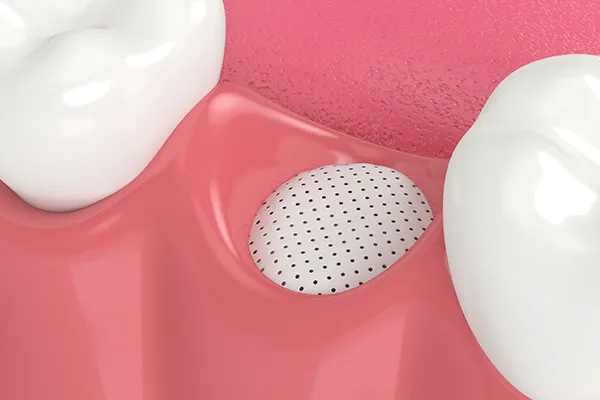 If you are considering bone grafting in Princeton, WV, Mountain State Oral and Facial Surgery offers experienced oral surgical care that rebuilds lost jawbone and creates the strong foundation needed for dental implants and other long-term restorations. Bone grafting places new bone material into areas of the jaw where the natural bone has thinned, weakened, or disappeared, giving your body a guide to grow strong, healthy bone over the months that follow. If you are considering bone grafting in Princeton, WV, Mountain State Oral and Facial Surgery offers experienced oral surgical care that rebuilds lost jawbone and creates the strong foundation needed for dental implants and other long-term restorations. Bone grafting places new bone material into areas of the jaw where the natural bone has thinned, weakened, or disappeared, giving your body a guide to grow strong, healthy bone over the months that follow.
Most patients are surprised by how quietly jawbone loss can develop. It can begin within months of an extraction that did not include socket preservation, accelerate during years of denture wear, or progress as a result of advanced periodontal disease. As the bone changes shape, the choices for replacing missing teeth begin to disappear with it. Our Princeton oral surgery team works to reverse that pattern, restoring the volume and contour required for treatments such as dental implants and full-arch restorations.
This page walks through what bone grafting actually involves, the kinds of grafts we perform, what your appointment will look like, and how our oral surgeons plan each case so the graft you receive serves a clear long-term purpose.
On This Page
What Is Bone Grafting?
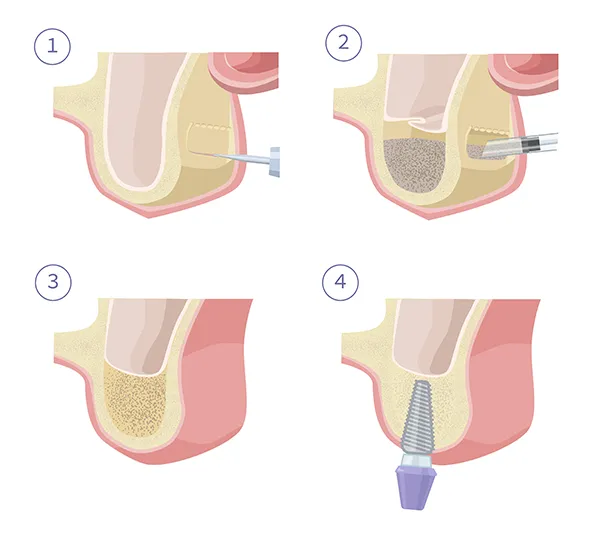 Bone grafting is an oral surgery procedure that adds new bone material to areas of the jaw where bone has been lost or has become too thin to support the teeth, restorations, or implants that should sit there. The graft acts as both filler and scaffold. Over the months that follow, your body steadily replaces the graft with its own healthy bone, leaving a stronger and more stable foundation than was there before. Bone grafting is an oral surgery procedure that adds new bone material to areas of the jaw where bone has been lost or has become too thin to support the teeth, restorations, or implants that should sit there. The graft acts as both filler and scaffold. Over the months that follow, your body steadily replaces the graft with its own healthy bone, leaving a stronger and more stable foundation than was there before.
In Princeton and the surrounding Mercer County area, patients come to us for bone grafting from many different starting points. Some are preparing for an implant after a tooth has been gone for years. Others are exploring a transition from traditional dentures to a more secure implant-supported option but have been told their ridge is too thin. A third group has just had a tooth removed and wants to keep the socket healthy for a future restoration. Each plan is built around the specific anatomy in front of us, not a one-size-fits-all template.
Types of Bone Grafting Procedures
We perform the full range of bone grafting techniques. Socket preservation is a small graft placed at the time of tooth extraction to keep the empty socket from collapsing. Ridge augmentation rebuilds bone width or height in an area where the ridge has already shrunk. A sinus lift is performed in the upper back jaw, where the floor of the sinus must be elevated to make room for an implant of adequate length.
Who Is a Candidate?
You may benefit from bone grafting if you have lost a tooth and want to keep implant options open, if you have been told your jaw is too thin or too short for an implant, or if your existing denture has loosened because the underlying bone has changed shape. Detailed 3D cone beam imaging during your consultation gives us a precise view of your jaw so we can plan accordingly.
Your Oral Surgeons in Princeton
The success of a bone graft rests on careful planning, the right material, and steady surgical technique. The oral surgeons at Mountain State Oral and Facial Surgery are board-certified and board-eligible specialists with extensive training in oral and maxillofacial surgery, and they perform bone grafting cases regularly across the offices serving Princeton and the broader southern West Virginia region.
Our team of recognized oral surgeons are known for thorough planning, current techniques, and clear, patient-centered communication. Because grafting is so often the foundation of a larger restorative plan, our surgeons coordinate closely with your general dentist or restorative provider so that every step builds toward the final outcome you want. Visit our Meet Our Doctors page to learn more about each surgeon on our team.
Your Bone Grafting Process, Step by Step
A clear sense of what happens at each stage takes much of the worry out of any oral surgery experience. Here is how a typical bone grafting visit unfolds at our Princeton office.
Consultation and 3D Imaging
Your first appointment is dedicated to evaluation and planning. After reviewing your medical and dental history, we capture detailed 3D cone beam scans of your jaw. This imaging shows the precise shape and density of your existing bone and lets us plan the graft size, location, and material with confidence well before treatment day.
Personalized Comfort Planning
On the day of your procedure, the area is fully numbed with local anesthesia. For patients who would rather be more relaxed during treatment, we offer a range of sedation options and anesthesia options tailored to your medical history and personal comfort preferences.
Graft Placement
Once you are comfortable, your oral surgeon gently exposes the bone, prepares the area, and places graft material precisely where new bone is needed. A protective membrane is often layered over the graft to keep the material in position and to direct your body to grow bone in the desired shape. The site is then closed with small sutures, and detailed home-care instructions are provided.
Healing and Bone Integration
Initial healing of the gum tissue takes about one to two weeks, and most patients return to their normal routines within a day or two. Bone integration takes longer, usually three to six months for most grafts and longer for larger reconstructions. During that period, your body steadily replaces the graft with its own new bone. Follow-up visits give us a chance to track healing and confirm with imaging when the area is ready for the next phase of care.
Benefits of Bone Grafting
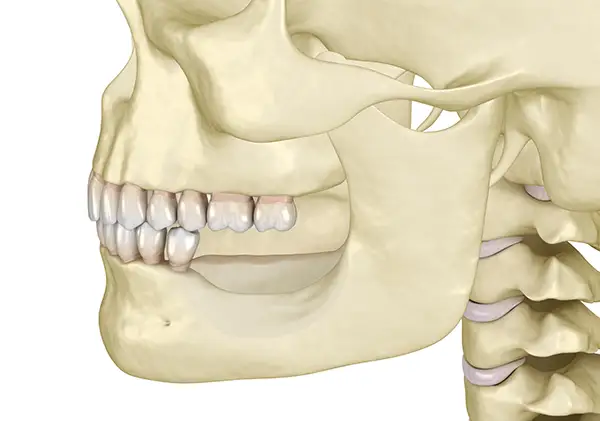 Rebuilding lost jawbone is the kind of treatment that does its most important work behind the scenes. The benefits become clear over the months and years that follow, often unlocking restorative options that would not have been possible otherwise. Rebuilding lost jawbone is the kind of treatment that does its most important work behind the scenes. The benefits become clear over the months and years that follow, often unlocking restorative options that would not have been possible otherwise.
The most direct benefit is the ability to receive dental implants. A dense, well-shaped ridge gives implants the foundation they need to last for decades. Beyond implants, healthy jawbone helps preserve the natural contour of the lower face, supports neighboring teeth, and improves the comfort and stability of dentures. Many of our Princeton patients describe grafting as the moment when a long-postponed treatment plan finally became possible.
- Restores Implant Eligibility – Many patients previously told they could not have implants become candidates after grafting.
- Maintains Facial Contours – Helps prevent the sunken or aged appearance that often follows long-term tooth loss.
- Stabilizes Adjacent Teeth – Strengthens the bone surrounding nearby teeth so they remain anchored.
- Improves Denture Comfort – A rebuilt ridge gives traditional and implant-retained dentures a more secure foundation.
- Sets Up Long-Term Predictability – Implant longevity and restoration durability both depend on healthy, well-contoured bone.
For patients who have been hesitant to pursue restorative care because of bone loss, grafting often becomes the turning point that brings the rest of the plan within reach.
Why Choose Mountain State for Bone Grafting in Princeton
Bone grafting outcomes depend on three things working together: detailed planning, the right material for the case, and consistent surgical technique. At Mountain State Oral and Facial Surgery, every grafting case begins with detailed 3D imaging so we can see exactly what we are working with, every material is chosen based on the specific demands of your anatomy, and every procedure is performed by a board-certified or board-eligible oral surgeon.
Our Princeton office is part of a regional practice that has served patients throughout southern West Virginia and the surrounding region for many years. That scope gives our team broad experience with grafting cases of every kind, from straightforward socket preservation to complex pre-prosthetic reconstruction prior to full-arch implant work. Our investment in modern dental technology supports more accurate planning and a more comfortable patient experience.
Patients also tell us how much they appreciate the calm, unhurried atmosphere of our consultations. Whether you are coming to us from Princeton, Athens, Bluefield, Tazewell, or Narrows, you can expect honest answers, clear imaging, and a treatment plan built around your specific situation.
Bone Grafting Cost and Financing
The investment in bone grafting depends on several variables. The size and location of the bone deficiency, the type of graft material chosen, whether sedation is part of the appointment, and whether the graft is performed alone or in combination with another procedure all factor into the final cost. Because of this variability, we provide a personalized estimate after your consultation rather than a generic price range.
Many dental and medical insurance plans offer some level of coverage for bone grafting, particularly when it is medically necessary or directly tied to the replacement of missing teeth. Our front office team will verify your specific benefits and explain what your plan covers. For more detail on accepted insurance and payment options, visit our financial and insurance information page.
Flexible financing options are also available so cost does not need to stand between you and the care you need. Call (304) 425-8220 to discuss your options or to set up a personalized estimate after your consultation.
Schedule Your Bone Grafting Consultation
Rebuilding the foundation of your smile starts with a single appointment. Contact Mountain State Oral and Facial Surgery today at (304) 425-8220 to schedule your bone grafting consultation at our Princeton, WV office located at 220 Locust Street, Princeton, WV 24740. Our oral surgery team is here to evaluate your jaw, walk you through your imaging, and outline the path that fits your goals. Visit our homepage to learn more about our practice and the broader range of services we offer.
Frequently Asked Questions
What is bone grafting and why might I need it?
Bone grafting places new bone material into areas of the jaw where natural bone has been lost. Patients commonly need it to prepare for dental implants, to support a more stable denture, or to maintain the shape of the jaw after a tooth has been removed.
Is bone grafting comfortable?
Most patients are surprised by how comfortable bone grafting feels. The treatment area is fully numbed, and sedation is available for those who prefer it. Mild swelling and tenderness for a few days afterward are normal and are usually well managed with the recovery instructions we provide.
How long until my bone graft is ready for an implant?
Soft tissue heals in one to two weeks, but the bone itself typically needs three to six months to fully integrate before it can support an implant. Larger grafts may take longer. Your surgeon will confirm with imaging when the site is ready.
What kinds of bone graft material are used?
Common options include processed donor bone, bovine-derived bone, synthetic graft materials, and in some cases a small amount of your own bone. All are highly purified and supported by extensive long-term research. Your surgeon will recommend the best option for the size and location of your case.
Is bone grafting always required before dental implants?
Not always. Patients with strong, dense jawbone may be ready for an implant right away. Patients with bone loss from extractions, dentures, or gum disease often need a graft first. A 3D scan during your Princeton consultation will give a clear answer.
Can a bone graft be done at the same time as a tooth extraction?
Yes. Socket preservation grafts are routinely placed at the time of an extraction. This protects the empty socket from collapse and keeps your future restorative options open, including dental implants.
Will dental insurance cover bone grafting?
Many plans offer partial coverage when bone grafting is medically necessary, though benefits vary widely. Our team will verify your specific coverage and provide a clear written estimate before any treatment begins. Visit our financial and insurance information page for more details.
Why choose Mountain State for bone grafting in Princeton?
Mountain State Oral and Facial Surgery brings together board-certified and board-eligible oral surgeons, advanced 3D imaging, and a calm, patient-centered approach. Our Princeton office serves patients across Mercer County and southern West Virginia, with the experience to handle bone grafting cases of every complexity.
|