Oral Surgery Roanoke, VA
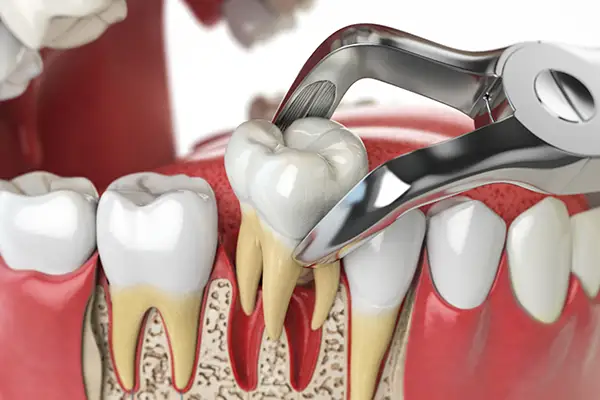 Mountain State Oral and Facial Surgery is a full-scope oral and maxillofacial surgery practice in Roanoke, VA, which means the cases your general dentist sends out are the ordinary ones here. Impacted wisdom teeth, extractions that need bone rebuilt underneath, jaw repositioning, growths that need a name before they need a treatment. That’s the work. Mountain State Oral and Facial Surgery is a full-scope oral and maxillofacial surgery practice in Roanoke, VA, which means the cases your general dentist sends out are the ordinary ones here. Impacted wisdom teeth, extractions that need bone rebuilt underneath, jaw repositioning, growths that need a name before they need a treatment. That’s the work.
Plenty of oral surgery starts with a referral. A dentist looks at an X-ray and says this one is past what we do here. That isn’t bad news. It usually means the tooth sits close to a nerve, or the roots are curved, or the bone underneath needs rebuilding before anything can replace what comes out. Those are the cases the specialty exists for.
Our practice-wide surgical procedures section lists the full scope. This page is about getting that work done in Roanoke, at 1603 Franklin Rd SW, by the surgeons who cover that office.
On This Page
What an Oral and Maxillofacial Surgeon Does
A general dentist and an oral surgeon both work on your teeth, gums, and jaw. The line between them is difficulty, not territory. Your dentist can take out a straightforward tooth and handle a root canal. When a case stops being straightforward, and some do, it takes surgical training past dental school. That training is what an oral and maxillofacial surgeon spent years getting.
What Actually Gets Done Here
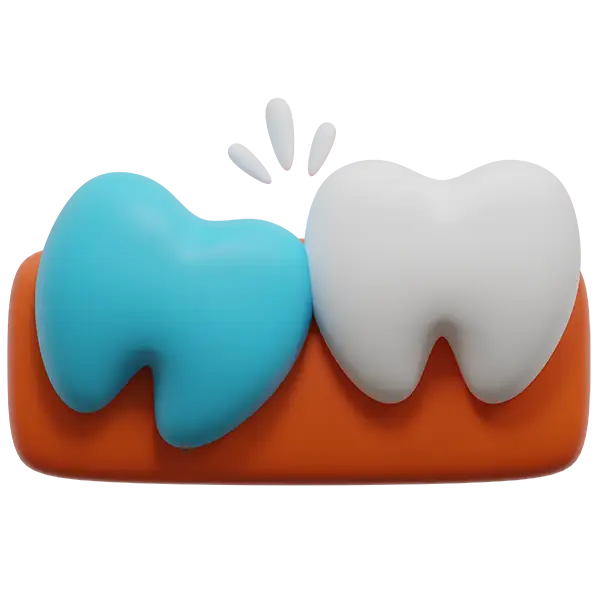 Start with teeth that have to come out. That covers tooth extractions that turned out not to be routine, and wisdom teeth removal, which is what brings most people in their late teens and twenties to an oral surgeon at all. If a tooth is coming out anyway, StemSave lets you bank the stem cells from inside it instead of discarding them. Start with teeth that have to come out. That covers tooth extractions that turned out not to be routine, and wisdom teeth removal, which is what brings most people in their late teens and twenties to an oral surgeon at all. If a tooth is coming out anyway, StemSave lets you bank the stem cells from inside it instead of discarding them.
Then there’s rebuilding what sits underneath. Bone grafting restores a ridge that has thinned after a tooth left, and it’s frequently the thing standing between you and a replacement tooth. Platelet rich plasma uses a concentrate drawn from your own blood to speed healing at a graft or extraction site.
The jaw itself is the third piece. Orthognathic surgery, which most people call jaw surgery, repositions an upper or lower jaw that doesn’t meet correctly, usually alongside orthodontic treatment. Dental trauma is the unplanned version: teeth knocked loose or out, and the fractures that arrive with them.
Last, some things need a diagnosis before they need anything else. Oral pathology covers the sores, lumps, and color changes that won’t resolve on their own. Most turn out to be nothing. Finding out which ones aren’t is the point of the visit. Replacing what comes out is its own conversation, and dental implants in Roanoke covers that end of it.
Your Surgical Team in Roanoke
The surgeons at Mountain State Oral and Facial Surgery include board-certified oral and maxillofacial surgeons, several of them certified through the American Board of Oral and Maxillofacial Surgery. That’s the credential worth checking, because “oral surgery” names a procedure rather than a license. Individual degrees and training are listed under Meet Our Doctors.
Which surgeon takes your case depends on the schedule rather than on the office, so we’d rather tell you the standard all of them meet than promise you a name. Our surgeons cover all eleven offices, and whoever takes your case in Roanoke works from the same protocols as every other surgeon in the group. If you’ve never been sent to a surgeon for dental work before and aren’t sure what changed, what an oral surgeon does lays out the difference without the jargon.
What to Expect, From Consultation to Recovery
 Most oral surgery in Roanoke runs across two visits: a consultation where we scan and plan, and the appointment itself. Straightforward cases sometimes collapse into one. Most oral surgery in Roanoke runs across two visits: a consultation where we scan and plan, and the appointment itself. Straightforward cases sometimes collapse into one.
The Consultation
We take a 3D Cone Beam scan, which shows the jaw in full volume instead of as a flat picture. On a wisdom tooth that means seeing exactly how close the roots sit to the nerve canal before anyone touches anything. On a graft it means knowing how much bone is actually there. You leave knowing what we’re doing, which anesthesia you picked, and roughly how long you’ll be out of commission.
Choosing Your Anesthesia
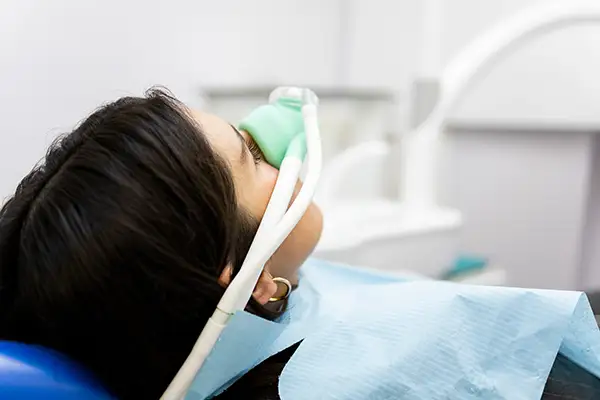
Four options, and the call is yours. Local anesthesia numbs the site and leaves you fully awake. Nitrous oxide layers calm on top of that and clears in minutes. IV sedation, which most people call twilight sedation, is what we recommend for wisdom teeth. You stay responsive, but nothing gets recorded, so the hour simply isn’t there afterward. General anesthesia is available too, and it’s usually done in a hospital setting rather than an office. Our anesthesia options go through each one in detail.
The Appointment
Times vary more than people expect. A single extraction can run fifteen minutes. Four impacted wisdom teeth under IV sedation runs closer to an hour. Exparel goes in wherever the case allows: a long-acting local analgesic, no opioid in it, still working long after you’ve left the building. That’s often the whole difference between a rough first evening and an uneventful one.
Recovery
Swelling gets worse before it gets better, cresting around the third day, which catches people off guard. Most patients are back to a normal routine within a few days after an extraction, longer after grafts and jaw surgery. You go home with written surgical instructions rather than a verbal summary you’ll have forgotten by the parking lot, and the number you call if something feels wrong reaches the office that did the work.
Why See an Oral Surgeon Instead of a General Dentist
Seeing a surgeon costs more and adds an appointment. Both of those are real, and for a straightforward tooth extraction they’re often reason enough to stay in the chair you’re already in. What tips it the other way is narrower than it sounds: the moment a case turns out harder than the X-ray suggested, and who happens to be in the room when it does.
| • |
The anatomy is mapped before we start – A cone beam scan turns the nerve canal, the sinus floor, and the shape of the roots into known quantities instead of things discovered mid-procedure.
|
| • |
Sedation is in our own scope – IV sedation is offered as a matter of course here rather than reserved for the largest cases.
|
| • |
The next step is already in the building – If the site needs a graft, we graft it. If it needs an implant later, we place that too. Nothing gets referred out and re-diagnosed from scratch.
|
| • |
Complications are familiar rather than alarming – A dry socket, a root tip that fractures, a sinus communication. Across eleven offices, none of those are novel here, and each one has a known answer. |
None of that means you should see a surgeon for every tooth. If your dentist is comfortable taking it out, let them. The reason this practice exists is the other kind of case.
Why Choose Our Roanoke Office
Find the Roanoke office at 1603 Franklin Rd SW. Weekdays only: 8:00 to 4:00 through Thursday, an early close at 2:30 on Friday. Of our eleven locations spread across West Virginia, Kentucky, and Virginia, this one opened most recently.
Full scope is the real argument for a practice built this way. An office that only does extractions works fine right up until your extraction turns into a graft, and the graft turns into a conversation about what replaces the tooth. Here that whole arc stays with one team and one set of records, and the services involved don’t require you to start over with a stranger halfway through.
Worth saying plainly what we don’t do. We aren’t a general dental office. No cleanings, no fillings, no crowns, no root canals, and we don’t replace your dentist. We handle the surgical end and send you back. If you don’t have a dentist, we’ll tell you to find one, because a graft or an implant without regular care underneath it is a short-term fix wearing a long-term price tag.
Oral Surgery Cost and Financing
Oral surgery costs less than most people brace for and more than they hope, and the honest problem with quoting a number is that the range across what we do is enormous. One simple extraction and a double-jaw case are not the same universe. What moves your figure: how many teeth, whether they’re impacted and how deeply, which anesthesia you choose, whether the site needs grafting, and whether your plan treats the case as dental or medical.
That last one matters more here than it does for most dental work. Wisdom teeth, jaw surgery, trauma, and pathology frequently route through medical insurance rather than dental, and the two carry different deductibles, different caps, and different rules about what counts. Our team checks both before you commit to anything. Our financial and insurance information names the carriers we work with, and payment arrangements exist for the remainder. Call the Roanoke office at (540) 283-4940 and we’ll start the check.
Book Your Roanoke Consultation
You don’t need a referral to be seen. Call our Roanoke office at (540) 283-4940 and we’ll get you on the schedule. You can also request an appointment online if that’s easier. We’re at 1603 Franklin Rd SW, Roanoke, VA 24016.
Frequently Asked Questions
Do I need a referral to see an oral surgeon in Roanoke?
No. You can call our Roanoke office and book a consultation yourself. Most patients do arrive by referral from a general dentist or an orthodontist, and that’s useful mainly because it means we already have your X-rays, but it isn’t a requirement. If you’re coming on your own, bring any imaging from the last year and your full medication list.
Will having my wisdom teeth removed hurt?
The appointment itself, no, and that surprises people who have been dreading it for months. Under IV sedation you won’t be aware of it happening. The soreness afterward is real but predictable, and it’s worst on day two or three rather than the night of. What patients underestimate is the jaw stiffness from holding open, not the surgical site.
Does medical or dental insurance cover oral surgery?
Both, depending on the procedure, and this is where oral surgery differs from ordinary dentistry. Wisdom teeth, trauma, pathology, and jaw surgery often fall under medical coverage, while extractions and implants usually sit on the dental side. Some cases split across both. Our team files it correctly rather than leaving you to argue it later, and the financial and insurance information lists the plans we work with.
How long is recovery after wisdom teeth removal?
Three to five days for most people before life feels normal again, and about two weeks before the sockets have closed over. Plan on soft food for the first few days and no straws at all, since the suction is what dislodges the clot. If you had all four out at once, take the extra day. If you had one erupted tooth out, you may not need any of them.
Can I be sedated for oral surgery in Roanoke?
Yes, and you have four levels to pick from rather than a yes-or-no. Local keeps you fully awake, nitrous oxide takes the edge off and clears before you leave, and IV sedation puts you in a state where the appointment simply isn’t something you experience. General anesthesia exists for the largest cases and is usually handled in a hospital setting. Whichever you pick, if it’s IV or general you’ll need someone to drive you home.
What is dry socket and how do I avoid it?
Dry socket is what happens when the blood clot over an extraction site comes loose before the bone underneath has covered over, and it announces itself as a deep ache three to five days out that over-the-counter medication barely touches. Smoking and drinking through a straw are the two biggest causes, because both create suction. It’s treatable in a single short visit, and our post-operative extraction instructions cover the first-week rules that prevent it.
Should I remove a wisdom tooth that is not bothering me?
Not always, and any surgeon who says otherwise without looking at your scan is guessing. A fully erupted wisdom tooth you can actually clean is worth keeping. An impacted one pressing into the molar next door is a different situation, because the damage lands on the healthy tooth rather than the wisdom tooth. The risks of not removing wisdom teeth are worth weighing against a procedure you may never need.
What should I bring to my first oral surgery appointment?
Your medication list, your insurance cards for both medical and dental, any imaging your dentist has taken in the last year, and a driver if you already know you’re being sedated. Our first visit rundown covers the rest. The consultation itself is a scan and a conversation, so you can come in expecting to leave with a plan rather than a bandage.
|